

There’s an old saying: a fool with a tool is still a fool. I’ve never heard it as an insult. It’s simply a reminder that buying capability isn’t the same as earning it.
My brother is a tradesperson. If I filled my garage with the same DeWalt drills, saws, laser levels and every other tool he owns, I’d have a very impressive workshop. I still wouldn’t know what he knows.
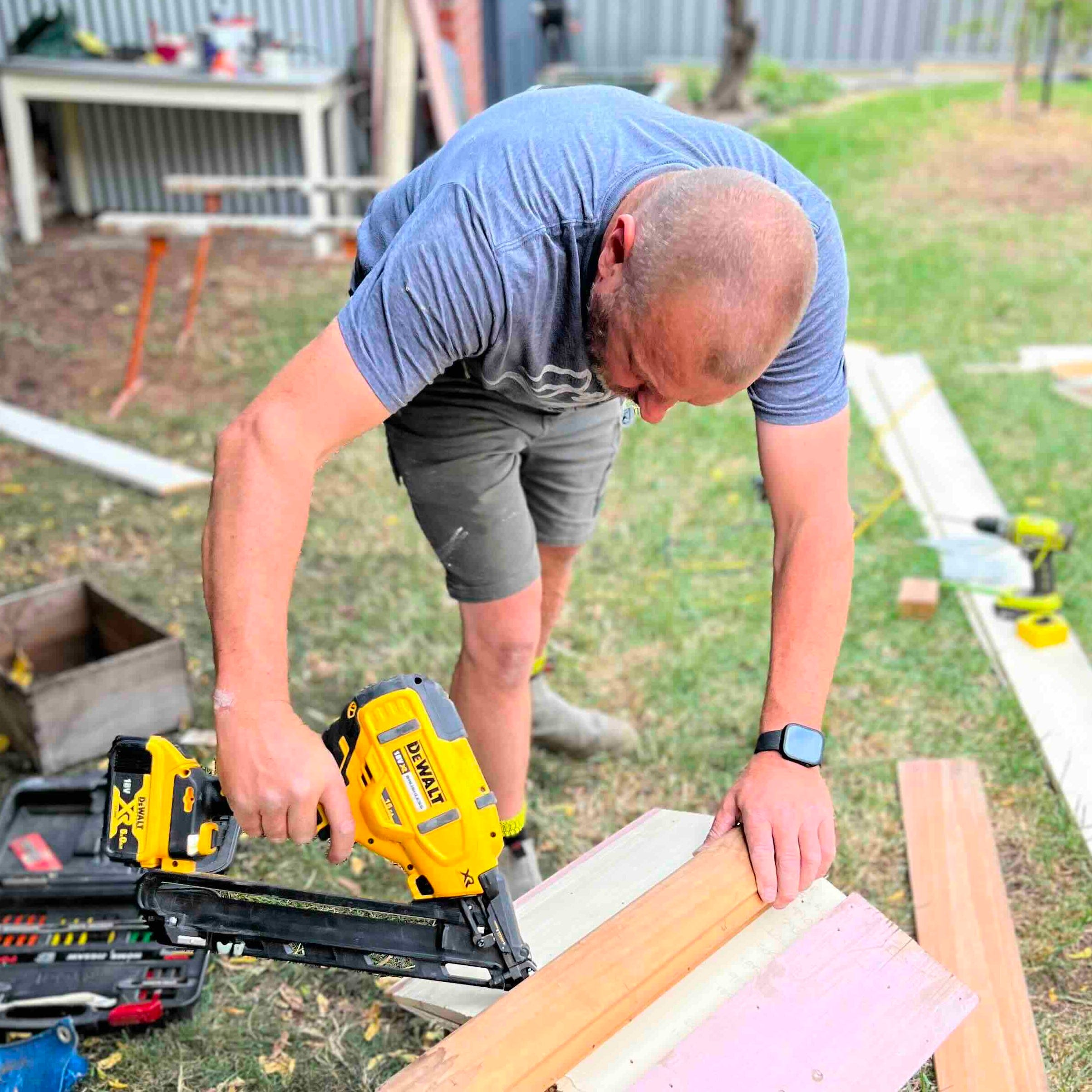
He’ll look at a frame and immediately see what’s wrong. He’ll stop halfway through a job because something doesn’t feel right. He’ll spend an extra hour fixing something no client will ever notice because he knows they’ll notice in five years.
None of that lives in the toolbox.
I’ve been thinking about that while watching the race around AI coding assistants. Every week there’s another model, another benchmark and another video showing software appearing almost magically on the screen.
It’s impressive.
It’s also easy to mistake the tool for the capability.
We’ve done this before. Spreadsheets didn’t produce better financial decisions. CAD didn’t produce better buildings. PowerPoint didn’t produce better strategy. Those tools made capable people more effective, but they never replaced experience, judgment or accountability.
AI feels like the next version of the same story.
Writing code is becoming easier. That’s remarkable. Deciding what should be built, why it matters and what happens next is still the hard part. In fact, as execution gets cheaper, those decisions probably matter even more.
That’s the part I think we sometimes miss.
When everyone has access to extraordinary tools, the advantage shifts somewhere else. It shifts to judgment. To taste. To knowing when not to build something. To recognising the difference between something that works and something that lasts.
My brother has never talked much about his tools. He talks about the job, the materials, the client and the finish. The tools are just there, quietly doing what they’re supposed to do.
Maybe that’s how we’ll think about AI one day.
Not as the thing that made great builders.
Just another tool that helped them build.
What do you think?
100%. I was a magazine editor at the beginning of digital layout and design, and the editors, graphic designers, typesetters and photo lab people who became proficient in the tools faster than the rest were able to refocus on taste and judgement when they'd achieved tool mastery, and went on to achieve great things. Those who adopted late, reluctantly, or for ideological reasons? They were overtaken, retrenched, semi-employed and then driving taxis within the decade. Didn't matter if they were good or bad; they were just late.