

Most companies do not have a brand voice. They have a collection of approvals.
The website sounds polished. The LinkedIn posts sound casual. The sales deck sounds aggressive. The investor update sounds cautious. Each asset may be fine in isolation, but together they create confusion. And confusion reduces trust.
People do not trust corporations. They trust characters.
Characters are consistent. They have a worldview. They speak in a recognisable way. They know what they believe. Most brands do not have that. They have tone guidelines.
That is not the same thing.
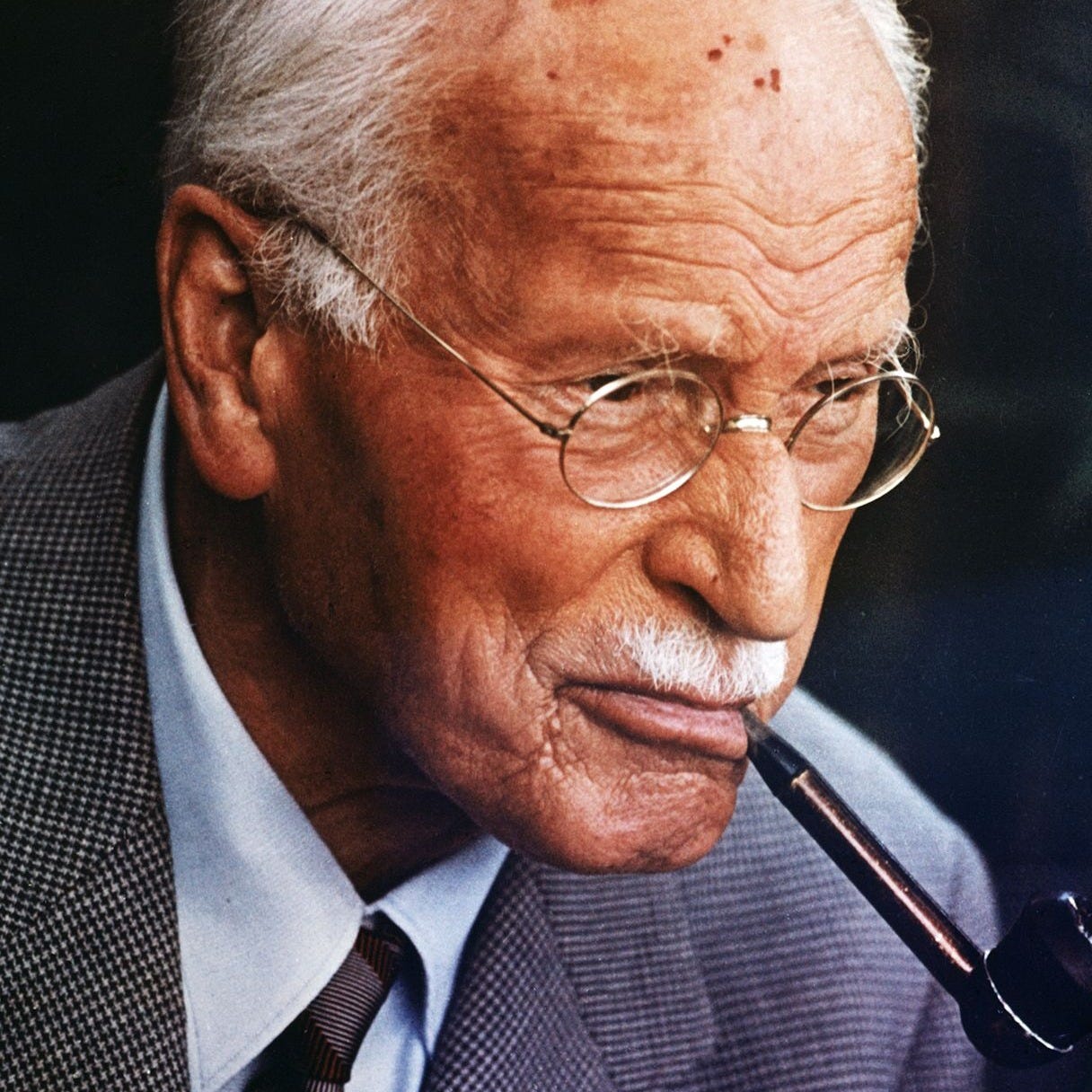
Why Brand Voice Breaks
Brand voice usually breaks for one simple reason: too many people are trying to make the company sound acceptable.
Marketing wants energy. Sales wants urgency. Legal wants safety. Leadership wants authority. Social wants personality. By the time everyone has contributed, the voice becomes neutral.
Professional. Approved. Forgettable.
The result is a brand that sounds like it was written by a committee. Which it probably was.
The more people try to protect the brand, the more likely they are to erase it.
If this sounds familiar, send it to the person in your company who says “this doesn’t sound like us” but has never defined what “us” actually means.
The Archetype Problem
Great brands do not just choose words. They choose a role.
Nike is The Hero. Apple is The Creator. Patagonia is The Explorer.
These brands are not consistent by accident. They understand the character they are playing. That character shapes the language, the enemy, the offer and what they would never say.
Carl Jung’s archetypes are useful because they force a brand to make a choice.
Are you The Sage, The Rebel, The Everyman, The Ruler, The Creator or The Caregiver?
Each archetype carries a different emotional contract with the market. The Sage teaches. The Rebel provokes. The Ruler commands. The Everyman simplifies. The Creator imagines. The Caregiver reassures.
The problem starts when a company tries to be several of them at once.
A brand cannot sound like The Sage on the website, The Jester on social and The Ruler in sales. That creates distrust. Not because the copy is bad, but because the character is unstable.
The Brand Voice Audit
Most companies try to fix voice by editing sentences. That is too late.
The real issue is upstream. You need to diagnose the character before you rewrite the copy.
A useful way to do this is to compare three pieces of live marketing material. Not the brand guidelines. Not the positioning deck. The actual copy customers see.
Start with this prompt.
Brand Archetype Audit Prompt
Act as a Brand Strategist using Jungian Archetypes.
I am pasting three samples of our recent marketing copy below:
Homepage headline:
[paste copy]Recent LinkedIn post:
[paste copy]Sales email:
[paste copy]
Analyse the following:
1. The Diagnosis
Which Jungian Archetype does each piece sound like? For example: The Sage, The Jester, The Ruler, The Everyman, The Rebel, The Creator.
2. The Conflict
Where does the tone clash? Be specific about where we sound like different characters across different channels.
3. The Trust Risk
Explain how this inconsistency could affect buyer confidence.
4. The Fix
Rewrite all three pieces so they align strictly with this desired archetype: [insert archetype]
5. The Rule
Give us one simple rule our team can use to stay in character before publishing any future copy.
Why This Works
This exercise reveals something most teams avoid: your brand voice is not what the guidelines say. It is what the market repeatedly hears.
If the market hears confidence in one place, playfulness in another and desperation somewhere else, it does not form a clear impression. It forms doubt.
Consistency is not about sounding the same everywhere. It is about sounding like the same character everywhere.
That distinction matters. A founder can speak differently in a sales email, a keynote and a customer update. But the worldview should remain intact. The posture should remain intact. The underlying character should remain intact.
That is what builds trust.
This is a useful exercise to run with a founder, CMO, Head of Marketing or sales leader. Each function usually thinks the brand sounds inconsistent because of someone else. The audit makes the inconsistency visible.
Before You Write More Copy
Most companies do not need more content. They need a stronger character.
Without character, every new asset becomes another opportunity to dilute the brand. Another campaign. Another landing page. Another sales sequence. Another slightly different version of who the company claims to be.
The exercises below are designed to solve the deeper problem. Not just what you sound like, but what you stand against and how to scale that voice without rewriting everything yourself.
Subscribers get access to the two follow-up prompts below. They are designed to help you sharpen the brand’s enemy and turn the voice into an operating system your team can actually use.
Most companies skip this step. Then wonder why every piece of copy needs founder intervention.
If you are responsible for scaling a brand across multiple writers, channels or markets, this is where the real work begins.
The Anti-Persona
Strong brands do not only know who they are for. They know what they are against.
This is where most corporate messaging becomes weak. It tries to be positive about everything: inclusive of every use case, open to every buyer and acceptable to every stakeholder.
That sounds safe. But safe marketing is usually invisible.
To create a memorable brand, you need contrast. You need tension. You need an enemy.
Not a competitor. A competitor is too small.
The enemy should be a status quo belief, behaviour or habit that hurts your customer.
Apple fought conformity. Salesforce fought installed software. Basecamp fought workplace complexity.
The enemy gives the brand its edge. Without one, the voice becomes generic.
Anti-Persona Prompt
Act as a Narrative Strategist.
We are: [company description]
Our customer is: [customer description]
Our brand archetype is: [archetype]
Define our brand enemy.
1. The Villain
Identify the status quo belief, behaviour or habit we should stand against. Do not name a specific competitor.
2. The Damage
Explain how this villain harms our customer.
3. The Manifesto
Write a short manifesto paragraph that declares war on this villain in our brand voice.
4. The Forbidden Words
List five words or phrases we should avoid because they belong to the villain’s worldview.
5. The Line We Will Not Cross
Define what our brand should never say or do, even if it might improve short-term conversion.
The point is not to become aggressive. The point is to become clear.
A brand without an enemy has no tension. And a brand without tension is easy to ignore.
Send this section to the person who keeps asking, “But who are we alienating?” Because the honest answer should be: the wrong customers, the wrong expectations and the wrong category assumptions.
The Intern Test
The final test of brand voice is not whether the founder can write it. The founder usually can.
The real test is whether someone junior can write in the voice without destroying it.
That requires governance. Not a 40-page brand book. A usable operating system.
Most tone guides fail because they describe the voice in adjectives: bold, clear, human, smart. These words are too vague to be useful. Every company thinks it sounds clear and human.
A useful voice guide shows the difference between acceptable language and owned language. It gives examples. It creates boundaries. It helps the team know when something sounds wrong.
Voice Style Guide Prompt
Act as a Copy Chief.
We have defined our brand voice as: [insert three to five adjectives]
Our Jungian Archetype is: [insert archetype]
Create a practical voice style guide for a junior marketer.
Include:
1. The Voice Principle
Summarise the voice in one sentence.
2. Do This, Not That
Create five examples showing a boring corporate sentence versus our way of saying it.
Use this structure:
Boring corporate sentence: [example]
Our version: [example]
3. Words We Use
List ten words or phrases that fit our voice.
4. Words We Avoid
List ten words or phrases that dilute our voice.
5. The Litmus Test
Give the team one question to ask before publishing anything.
6. The Rewrite Rule
Give one simple editing rule that improves weak copy immediately.
This is where brand voice becomes scalable. Not because everyone becomes a great writer, but because everyone understands the character.
This is the part to share with anyone managing junior marketers, agencies, freelancers or sales teams. If the voice only works when one person writes it, it is not a system. It is a bottleneck.
The Final Reality
A brand voice is not a tone. It is a pattern of trust.
The market learns who you are through repetition: repeated posture, repeated language, repeated beliefs, repeated enemies and repeated choices.
If those signals change from channel to channel, the brand becomes harder to trust. Not because buyers consciously analyse it, but because inconsistency creates friction.
A clear voice removes that friction. It tells the market what kind of company they are dealing with. It tells customers what to expect. It tells the team what to say no to.
Most companies sound corporate because they are trying to avoid being disliked. But memorable brands are not built through universal approval. They are built through recognition.
People should be able to read your copy without seeing your logo and know it came from you.
That is the standard.
Not professional. Recognisable.
The Question Every Leadership Team Should Answer
If someone removed your logo from your homepage, sales deck and LinkedIn posts, would anyone know they came from the same company?
If the honest answer is no, you do not have a voice problem. You have a character problem.
Ask this in your next marketing meeting. Then compare the answers from brand, sales, product and leadership. The gap between those answers is where the work is.